
Amalfi Coast PGI Lemon: Where to Buy the Best Producers
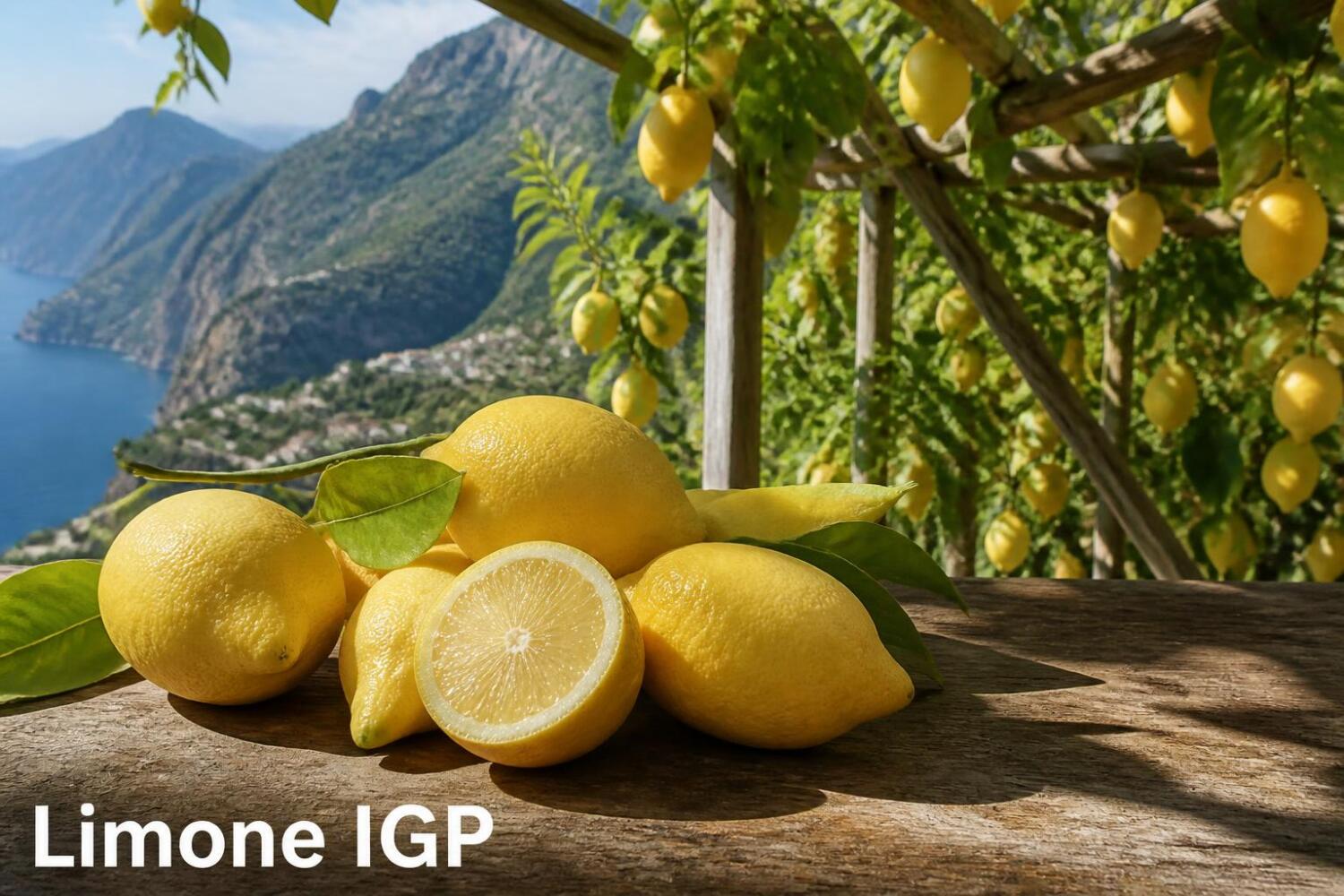
Image created with AI

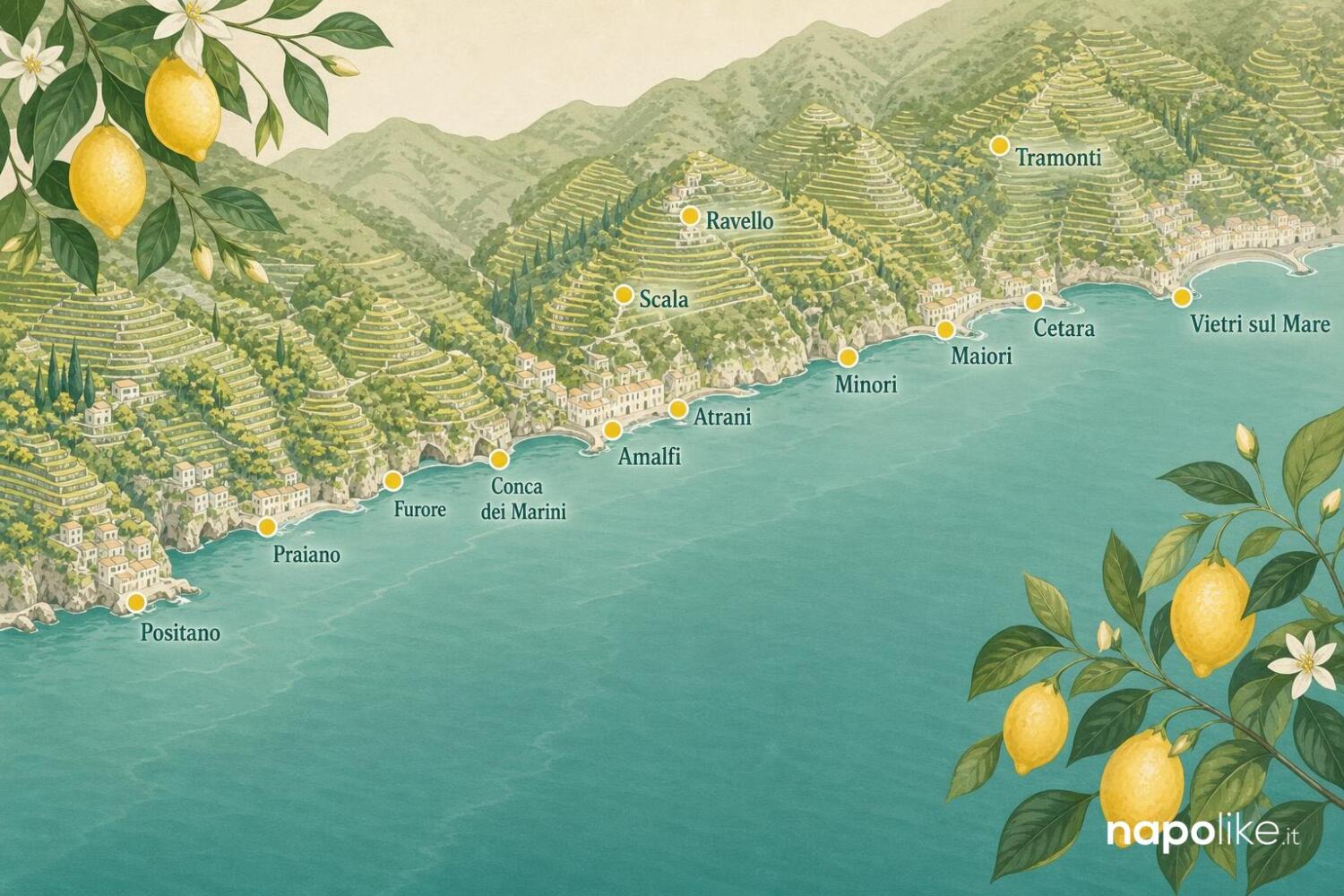
The Amalfi Coast PGI Lemon , also known as Sfusato Amalfitano , is the iconic product of the Amalfi Coast. It is grown on terraces overlooking the sea, between Amalfi , Maiori , Minori , and Atrani , and is one of the few lemons in the world with a protected geographical indication.
Its thick, fragrant rind, low-acid pulp, and elongated shape make it unique. In this comprehensive guide, you'll find the fruit's history, its PGI-certified characteristics, its culinary uses, and the best producers to buy it from , including online, with pros, cons, and reviews.
What is the Amalfi Coast PGI Lemon?
The Amalfi Coast Lemon ( Limon amalphitanus ) is a citrus fruit in the "sfusato" category : its shape is elongated and tapered , with a distinctive tip that distinguishes it from any other lemon. It differs from lemons from the nearby Sorrento area due to its cultivation methods and its different organoleptic properties.
The PGI recognition came in 2001 (EC Regulation no. 1356 of 4 July 2001) and the protection consortium was established on 3 October 2002. The production area includes the 12 municipalities of the Amalfi Coast : Amalfi, Atrani, Cetara, Conca dei Marini, Furore, Maiori, Minori, Positano, Praiano, Ravello, Scala, Tramonti and Vietri sul Mare.
The characteristics of the fruit
The Amalfi Coast lemon can be classified as femminello sfusato and has very specific characteristics:
- Peel medium thickness, light yellow in colour, very rich in essential oils and terpenes: just rub it to fill the room with scent
- Pulp juicy and moderately acidic, with low presence of seeds (4 to 10 per fruit)
- Dimensions: medium-large: 100 to 120 grams per fruit
- Rich in ascorbic acid, that is, vitamin C
The Amalfi lemon grows exposed to the sun and warm winds from the south , enjoying the protection of the Lattari Mountains which shelter it from the cold north winds: a unique microclimate that is reflected in the taste.
History: from Amalfi navigators to scurvy
The first lemon trees on the Sorrento-Amalfi peninsula spread to Maiori, Minori, Sorrento, and Massa Lubrense . The fruit's success is linked to its antiscorbutic properties : vitamin C prevents scurvy, a very serious disease at the time.
For the Amalfi people, a historically famous seafaring people, it was crucial to have supplies of lemons on their ships. As early as the 11th century, the Republic of Amalfi decreed that ships should always have provisions of these fruits on board . From 1400 to 1800 , the demand for Amalfi lemons grew enormously due to their use in the fight against scurvy: not only from other areas of Campania and Italy, but also from Northern European countries.
In the 19th century, historian Matteo Camera wrote of lemons "that were transported by sea from Minori to other Italian markets, along with limoncello and cetrangoli." Thus, lemon orchards along the coast grew in number and size over the centuries, thanks to the reclamation of steep and inaccessible terrain for agriculture.
Cultivation: Lemon Gardens
Amalfi lemons are grown on approximately 400 hectares , in the famous lemon groves known as "lemon gardens ," with an average annual harvest of approximately 8.000 tons . Cultivation is heroic: terraces overlooking the sea, supported by dry stone walls, and wooden and reed pergolas ("pagliarelle") that protect the fruit from the sun and wind.
Harvesting takes place several times a year , but the best fruit, with the most intense aroma, arrives mainly between March and July . The actual harvest takes place from February to October.
Uses in the kitchen
Sfusato Amalfitano is a fundamental ingredient in the cuisine of the Amalfi Coast:
- Natural, served “salad” with salt, oil and oregano
- As a seasoning for fish and for seafood appetizers
- In the famous first dishes of the area and on the meats
- For Limoncello, the famous typical liqueur that has fueled an important economic boom
- In lemon coffee, in lemon baba and in typical cakes and sweets
- In lemon ice creams and granitas, the summer refreshment par excellence
Lemon delight , a layered dessert with lemon cream, is the other star of Amalfi pastry. And the peel, rich in essential oils, is also used to flavor liqueurs, preserves, and fish dishes.
Properties and benefits
The Amalfi Coast PGI Lemon is a powerhouse of health: it's rich in vitamin C (ascorbic acid), the same substance that made it a precious remedy for scurvy among Amalfi sailors. It also contains antioxidants, flavonoids, and essential oils, especially in the peel.
Its juice aids digestion and metabolism, while the grated peel is a natural flavoring for desserts, liqueurs, and fish dishes. Its essential oils are also used in cosmetics: a splash of juice in water is a natural tonic, and the peel rubbed on your hands eliminates fishy and garlic odors.
Purchase advice
When buying PGI Amalfi Coast Lemons, look for firm, heavy fruit with a glossy, pale yellow rind and an intense aroma. Be wary of lemons with very thin or dull skin: true Sfusato lemons have thick rinds rich in essential oil.
The packaging must display the PGI logo, the producer's name, and the production area . Quality fruit will keep at room temperature for several days; in the refrigerator, in the vegetable drawer, it will last up to two weeks.
The best producers of Amalfi Coast PGI Lemons
Buonocore Farm, Amalfi
The Buonocore Farm grows lemons in Amalfi and sells fresh fruit and fruit products. They also produce limoncello and preserves from their own citrus fruits.
- Pro: direct product from the lemon grove, certified IGP quality, also sale of derivatives
- Against: limited production, availability linked to the harvest season
Reviews: Customers report the lemons smelling amazing and the shipping was meticulous. Excellent for those looking for direct from the producer.
Lemongroup, Amalfi Lemons
Lemongroup is a historic company: the Ruocco family has been growing lemons on the Amalfi Coast since 1860. Today, they also sell PGI lemons and their derivatives online.
- Pro: Centuries-old history, shipments to Italy and Europe, complete range of fresh and limoncello
- Against: above average prices, minimum order for shipping
Reviews: Customers appreciate the consistent quality and the packaging that protects the fruit during transport.
Ancient Flavors of Amalfi, Amalfi
Antichi Sapori d'Amalfi is an artisanal workshop that has been operating since 1989. It produces limoncello with Sfusato Amalfitano lemons purchased from local farmers.
- Pro: Artisanal limoncello, local ingredients, shop in the center of Amalfi
- Against: small store, very crowded in high season
Reviews: Among the comments, those regarding the intense and fragrant limoncello stand out, considered among the best on the coast.
Solarelli, PGI lemons online
Solarelli is a brand that sells fresh PGI Amalfi Coast lemons , selected from coastal farmers. Online sales are meticulous and timely.
- Pro: careful selection, certified PGI, simple online purchase
- Against: catalog focused on fresh products, shipments on fixed days
Reviews: Those who have tried it report large, fragrant fruits, with peel rich in essential oil.
Al Passo Food, online shop
Al Passo Food is an online store that ships PGI Amalfi Coast Lemons in one-kilogram packages. Convenient for those who can't reach the coast.
- Pro: Home delivery, one-kilo package, also ships abroad
- Against: shipping cost, freshness related to delivery times
Reviews: Buyers describe the intense aroma and juicy pulp, perfect for limoncello and recipes.
Aceto Farm, Valley of the Mills
The Aceto family has been growing lemons since 1800 and runs a lemon grove in the Valle dei Mulini in Amalfi. They are among the coast's historic producers.
- Pro: ancient tradition, historic lemon grove, identity product
- Against: mainly local sales, limited online presence
Reviews: It is cited among the companies that symbolize heroic Amalfi agriculture, with enthusiastic feedback on its taste and aroma.
Where to buy it on the Amalfi Coast
In the shops and greengrocers in the centre of Amalfi , Maiori and Minori you can find fresh lemons throughout the harvest season.
The best time is from March to July , when the fruits have the most intense aroma. Limoncello and lemon delicacies are also available at local markets.
- Pro: direct contact with the producer, lowest price, hand-picked fruit
- Against: parking difficult in high season, availability dependent on collection
If you love typical Campanian products, also try the buffalo mozzarella from Capaccio Paestum and the Menaica anchovies from Pisciotta . To plan a trip, read our guide to day trips on the Amalfi Coast.
FAQ
When is the Amalfi Coast PGI Lemon harvested?
Harvesting takes place from February to October , with peak quality between March and July . The tree flowers several times a year.
Why is it called Sfusato Amalfitano?
The name comes from the elongated, tapered shape of the fruit, which has few seeds and a thick, fragrant peel.
Where can I buy PGI lemons online?
You can buy it on sites like Lemongroup , Solarelli , and Al Passo Food , which ship to Italy and Europe.
What is prepared with Sfusato Amalfitano?
Limoncello , preserves, jams, and lemon delight . The peel, rich in essential oils, is also used in cooking with fish.
What is the difference between Amalfi lemons and Sorrento lemons?
Both are “sfusato” lemons, but have different cultivation methods and organoleptic properties: the Amalfi lemon grows exposed to the warm southern winds, protected by the Lattari Mountains, with a medium-thick peel and juicy, moderately acidic pulp.
Is the Amalfi Coast Lemon a PGI product?
Yes, since 2001 (EC Regulation No. 1356 of 4 July 2001). The designation guarantees its provenance from the 12 municipalities of the Amalfi Coast and compliance with the production specifications.
Find out more from Napolike.com
Subscribe to receive the latest articles sent to your email.