
Vico Equense: What to See Between the Sea and the Mountains
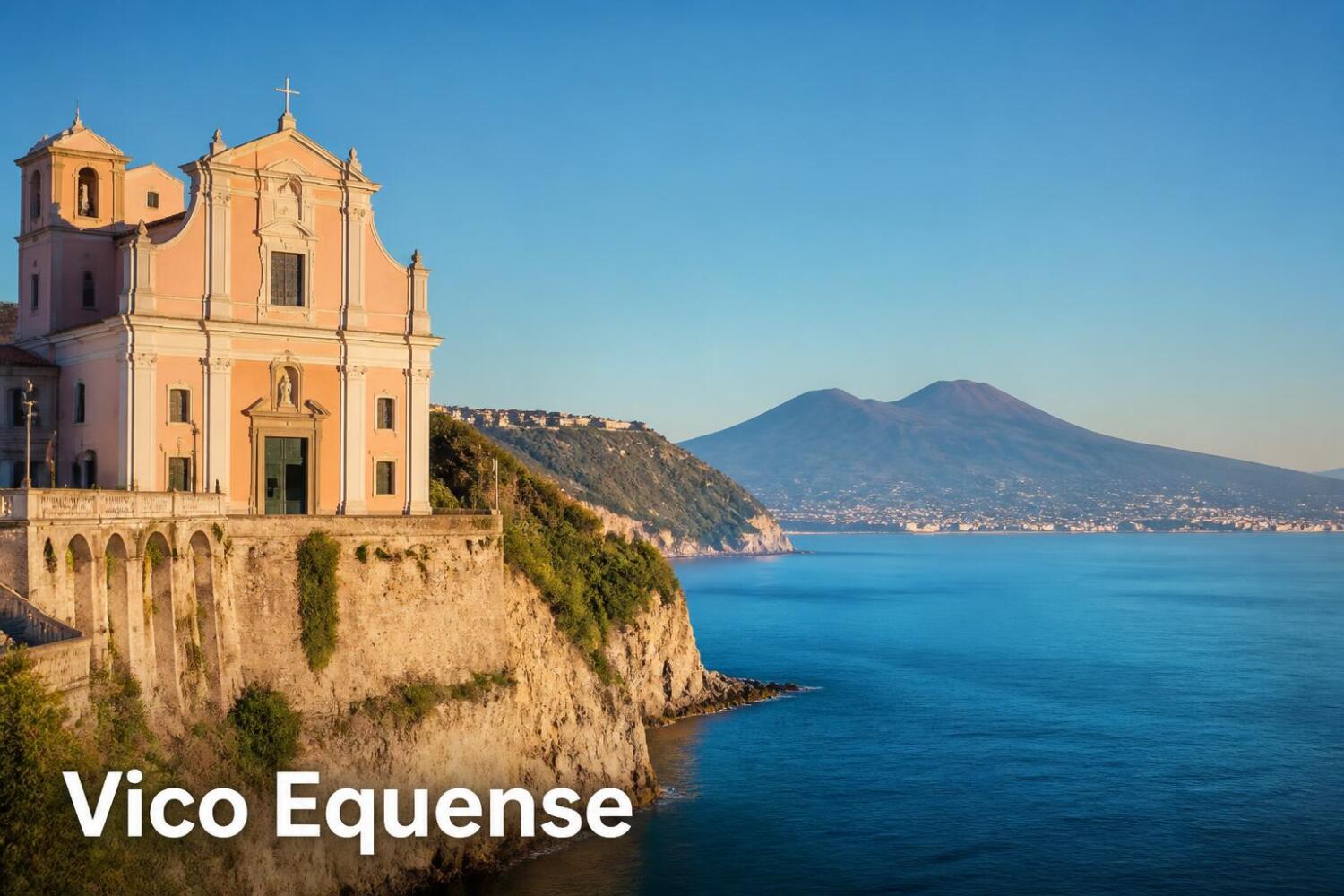
Image created with AI

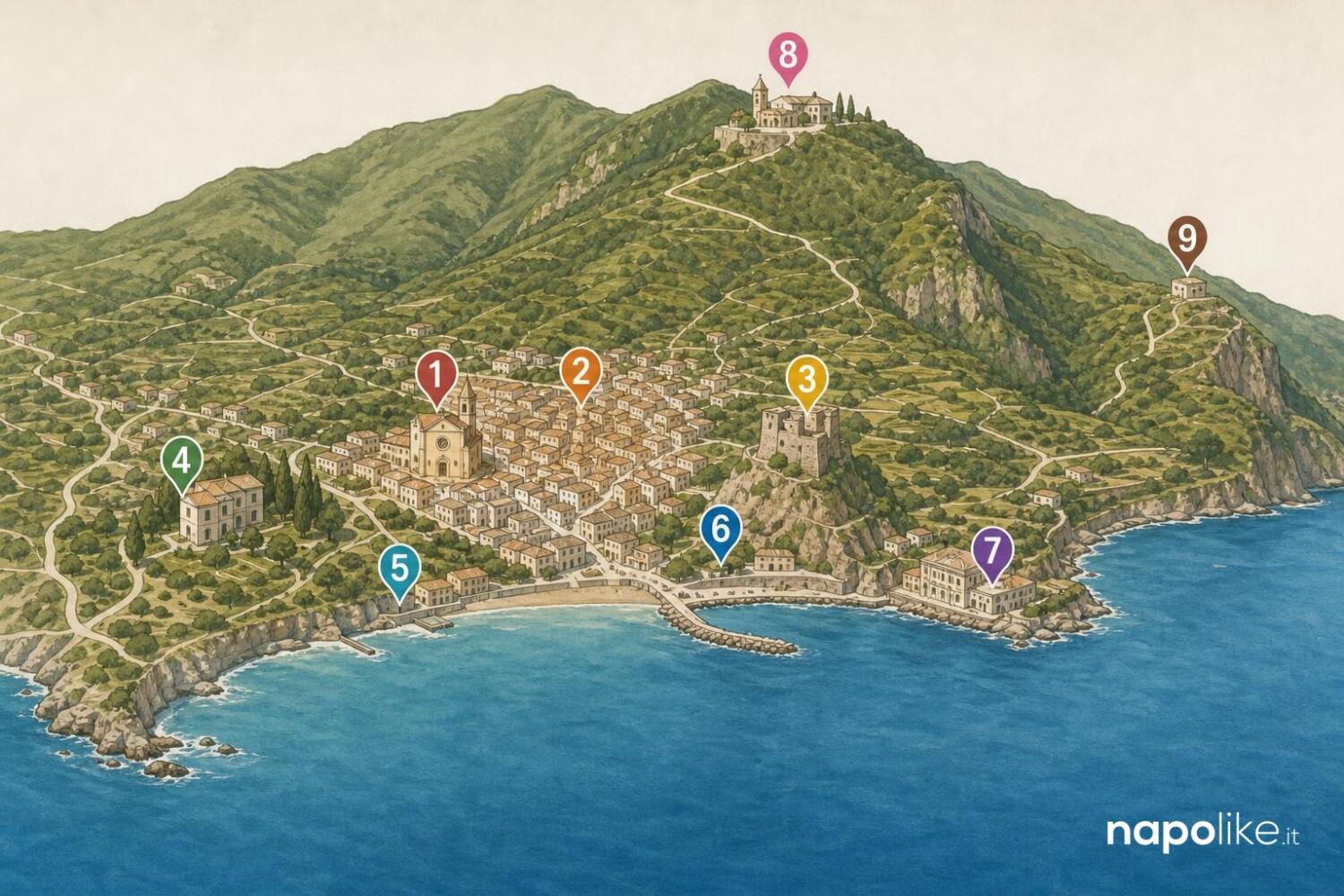
Vico Equense is the first town on the Sorrento Peninsula from Naples: a village rising from a cliff overlooking the sea to the slopes of Mount Faito . In just a few kilometers: beaches, a Gothic cathedral overlooking the void, a castle, spas, and hiking trails.
It's the perfect destination if you're looking for a less crowded base than Sorrento, but with the same sea and lemon scents. The town center can be explored on foot in a few hours, while the rest of the area is best explored among the ancient farmhouses and marinas.
This guide includes the must-see destinations, along with the pros and cons of each, along with visitor reviews and answers to frequently asked questions. It also includes links to other guides to the peninsula already published on our website.
The Church of the Santissima Annunziata, the cathedral suspended over the sea
It's the town's iconic image: the Church of the Santissima Annunziata stands on a spur overlooking the sea, its antique pink façade overlooking the gulf. Founded between 1320 and 1330 by Bishop Giovanni Cimmino, he moved the episcopal seat here from Marina d'Equa.
It is considered the only example of Gothic-style sacred architecture on the Sorrento Coast. It remained closed for over twenty years and was reopened for worship on August 26, 1995, after extensive restoration. The current façade is from the 18th century, while the bell tower dates back to the 16th century.
Inside is the tomb of the jurist Gaetano Filangieri , who died in Vico Equense in 1788. A large eighteenth-century canvas of the Annunciation has been relocated to the central nave, while in the sacristy there is a fresco with a series of bishops of Vico Equense.
The basement houses an exhibition on the history of the building and the diocese of Vico Equense, which was abolished in 1818. The view from the churchyard, with Vesuvius in front, is one of the most photographed on the peninsula.
Pros : free admission, unique scenic location, extremely high artistic and historical value, can be visited together with the historic center.
Cons : It is not always open outside of Mass times, there is limited parking nearby, and there are no regular guided tours (it is best to book for groups).
Reviews : TripAdvisor describes it as one of the most unique churches in Italy, especially worth seeing from the outside with Vesuvius in the background. Address: Via Vescovado; groups can call the Municipality's tourist website.
The historic center and Piazza Umberto I
The heart of Vico Equense is Piazza Umberto I , a meeting point for residents and travelers: bars, pastry shops, and a few shops overlook this intimate square, which is lively year-round. From here, Corso Filangieri and the narrow streets of the historic center begin.
Strolling past noble palaces, the Church of Saints Ciro and Giovanni, and unexpected glimpses of the sea. The village is steep, but distances are short, and every alley offers a natural terrace overlooking the Gulf of Naples.
Pros : Authentic and non-touristy atmosphere, everything within walking distance, great for a sunset aperitif.
Cons : Sloping streets, parking in the center is difficult in high season, and the nightlife is more concentrated in the marinas than in the square.
Reviews : On Google and TripAdvisor, the square receives positive reviews for its liveability and for its bars with views, making it the perfect base for those visiting the peninsula without being surrounded by the chaos of Sorrento.
Giusso Castle, the Angevin manor on the promontory
Giusso Castle dominates the sea from a promontory just below the historic center. Its origins date back to the 13th century, when Charles II of Anjou built a fortress to defend the coast. In the 19th century, it passed to the Giusso family and was transformed into a residence.
Inside, frescoes and a palatine chapel remain, but today the castle is a private residence used primarily for weddings and events. From the outside, however, it remains a spectacular sight, especially from the Villetta Paradiso viewpoint or from the sea.
Pros : evocative architecture, location overlooking the sea, one of the most sought-after locations for weddings on the peninsula.
Cons : It is not open to the public with regular visits, it is mostly admired from the outside, pedestrian access is uphill.
Reviews : Those who have visited it at events praise its romantic setting and frescoed spaces; visitors from outside recommend the view from the sea, with boat tours that pass by the base of the cliff.
Villetta Paradiso and the viewpoint over the cathedral
Villetta Paradiso offers the best vantage point for a panoramic view of the Church of the Santissima Annunziata with Mount Vesuvius in the background. It's just a few minutes' walk from the center, heading toward Viale della Rimembranza.
The area coincides with the monumental complex of the Holy Trinity and Paradise , which also houses the Campanian Mineralogical Museum. The terrace overlooks the marinas of Vico and Seiano and, on clear days, the gulf all the way to Capri.
Pros : Free and easy to reach viewpoint, perfect for sunset photos, pairs well with a museum visit.
Cons : no shade during the central hours of summer, it is a transit point and not a destination with services.
Reviews : Among the recommendations of photographers and travel bloggers, it is cited as the obligatory viewpoint of Vico Equense, to be seen early in the morning or at sunset.
The Campanian Mineralogical Museum
Housed in the monumental complex of the Holy Trinity and Paradise , at Viale della Rimembranza 1, the Campanian Mineralogical Museum collects minerals, crystals, and fossils from the Sorrento Peninsula and Campania. It's one of the most interesting collections in the area.
The exhibition venue has limited weekend opening hours, with extended opening times. Groups can also book tickets on other days and on Mondays. Tickets can be purchased online on the Ciaotickets platform, preferably within an hour of closing.
Pros : rich collection, also suitable for children, prestigious monumental venue, convenient online ticket office.
Cons : Limited opening hours out of season, in winter Sundays and afternoons reserved for booked groups, specialized exhibition not for everyone.
Reviews : Google visitors praise the layout and the friendly staff; families cite it as a good alternative to the beach during the hottest hours of the day. Always check the museum's official website for updated hours.
The marinas: Marina di Vico, Seiano and the beaches
Marina di Vico , also known as Marina d'Equa, is the town's main beach, with equipped lidos, establishments, and a nearby parking lot. In summer, it's the heart of the evening nightlife, with its seaside bars and restaurants.
Seiano , also reachable by train, has a wider and less crowded beach. The coast is dotted with coves and cliffs, such as the beach at the Hotel Sporting, which is also accessible to non-guests, with kayaks for rent and caves to explore.
Just outside the town center, Scrajo beach is a natural pool nestled between rocks, quiet and about a fifteen-minute walk from the village. The seabed slopes rapidly, so it's best to bring rock shoes.
Pros : clean waters and views of Vesuvius, beaches for all tastes (sand, pebbles, rocks), many reachable on foot or by train.
Cons : There are few sandy beaches and they get crowded in August, parking in Marina di Vico is expensive and fills up quickly, and some coves can only be reached by sea.
Reviews : Marina di Vico receives high ratings on TripAdvisor for its cleanliness and sunsets; locals recommend Scrajo and Seiano for those seeking calmer waters away from the center.
The Scrajo spa, a 19th-century spa tradition
In the hamlet of Scrajo, lies the historic thermal complex of Vico Equense, built in the late 19th century around sulphurous springs . Its beneficial properties were already exploited for the treatment of dermatitis, arthritis, rheumatism, and respiratory ailments.
Today, the Scrajo area combines the spa with the hotel and event spaces, with a historic train station that harks back to the days when bathers arrived by train from Naples. The spa season is typically spring and summer, with reservations required.
Pros : historic sulphurous waters, location overlooking the sea, possible combination with Scrajo beach.
Cons : Seasonal openings and variable hours, treatments by reservation, it is not a thermal park with large pools like those in Ischia.
Reviews : Online reviews highlight the charm of the historic building and the quality of the mud treatments; many visitors choose it as an off-season wellness break. Prices and opening hours are updated on the official website.
The sanctuary of Saint Michael the Archangel on Mount Faito
On the mountain side of Vico Equense, the classic destination is the sanctuary of Saint Michael the Archangel on Mount Faito , at an altitude of about 870 meters. Tradition holds that here, in the 5th century, the archangel appeared to Saints Catello and Antonino.
The sanctuary can be reached by car along the Via Nuova Monte Faito, which starts from the Vico Equense area. The road is narrow and scenic, and is very busy on weekends. From the square in front, the view extends over the Gulf of Naples and the Italian peninsula.
The bike ride is a favorite among cycling enthusiasts, and hikers include it among their routes up the mountain. To help you get organized, here's our guide to Monte Faito.
Pros : cool in summer, extraordinary views, both a religious and naturalistic destination, reachable in a day from the sea.
Cons : Narrow road with many hairpin bends, limited services, and snow and ice can occur in winter.
Reviews : TripAdvisor calls it a must-see panoramic spot and a secluded spot; pilgrims visit it during the feasts of St. Michael, in May and September.
The Banco di Santa Croce for those who love the deep sea
Off the coast of Vico Equense lies the Banco di Santa Croce , a reef considered one of the most beautiful in the Mediterranean for diving. The seabed is home to red coral and a rich fauna, with walls that drop to great depths.
It's a destination for experienced divers and surface snorkelers on calm days. Trips depart from ports on the Sorrento Peninsula with local diving centers.
Pros : quality diving, red coral, clear water that is often cooler than on the coast.
Cons : Suitable for experienced divers, depends on sea conditions, requires booking with a diving center.
Reviews : divers who frequent it compare it to the best spots in the lower Tyrrhenian Sea and recommend spring for the best visibility.
Pizza by the metre, provolone del Monaco and the flavours of Vico
Vico Equense claims a delicious record: pizza by the meter , created in the 1930s by Luigi Dell'Amura, a longtime pizza chef at Gigino's. This specialty has become a trademark registered in the Register of Historic Brands of National Interest.
The tradition can still be enjoyed today in many pizzerias, from the waterfront to the hilltop farmhouses. Alongside pizza, the town's symbols include provolone del Monaco DOP and riavulillo , a bold-flavored caciocavallo, plus gnocchi alla sorrentina and lemon delizia.
For cheeses and specialities there is the guide to the typical products of the peninsula , for trattorias and fish our selection of where to eat in Sorrento and the surrounding area.
Pros : single-meter pizza, local ingredients (cheeses, citrus fruits, fish), often fairer prices than in Sorrento.
Cons : The most popular venues fill up in August, many restaurants close one day a week in the low season, and parking in the city center at night is difficult.
Reviews : Gigino's pizza by the meter is cited in national guides as a historic stop; on Google, restaurants in the center far exceed the pass mark for quality and service.
How to get to Vico Equense
The most convenient way is the Circumvesuviana (EAV) train on the Naples-Sorrento line, stopping at Vico Equense and Seiano. From Naples Garibaldi, the journey takes less than an hour, and from Sorrento, about twenty minutes.
By car, take the A3 Naples-Salerno motorway, exit at Castellammare di Stabia, then continue on the Sorrento state road. Traffic on the coastal road is heavy in summer, and parking lots in the city center fill up quickly.
For those staying on the mainland, local buses connect Vico Equense to the marinas and hamlets. The town is also an excellent starting point for excursions: the town center and Marina di Vico are within walking distance from the station.
Pros : Excellent rail connections, short distances from Naples and Sorrento, compact and livable village without a car.
Cons : limited and paid parking in summer, busy main road at weekends, steep climbs to the upper hamlets.
Reviews : Those arriving by train appreciate the central station and its proximity to the sea; drivers recommend leaving their car in the park-and-ride lot and getting around on foot.
When to go and events not to be missed
Spring and autumn are the best seasons for a mix of sea and mountains, with mild temperatures and fewer crowds. In summer, Vico Equense comes alive with evenings on the marinas and concerts.
The most eagerly awaited event is the Social World Film Festival , a social cinema festival that brings actors and directors to the town in July: the program and guests are in our article.
The rest of the year, the calendar is filled with food and wine events featuring local products, religious events at the Sanctuary of San Michele, and initiatives in the local hamlets. For musical evenings, Marina di Vico remains the go-to destination.
Pros : festivals and nightlife in July, perfect weather in May and September, swimmable sea from June to October.
Cons : The town gets crowded in August, and in January and February many tourist businesses close or reduce their hours.
Reviews : Festival visitors describe Vico Equense as a natural stage; those returning out of season appreciate the village's more authentic feel.
Other guides to the Sorrento Peninsula
To complete your journey, here are the guides in our series dedicated to the Sorrento Peninsula and its products.
- The most beautiful villages on the Sorrento Peninsula
- The most beautiful beaches on the Sorrento Peninsula
- The best farmhouses on the Sorrento Peninsula
- Limoncello di Sorrento PGI: the best producers
- Where to stay in Sorrento and the Sorrento Peninsula
- Buffalo mozzarella in Capaccio-Paestum: where to eat it
Frequently Asked Questions about Vico Equense
How much time do you need to visit Vico Equense? A full day is enough to visit the historic center, the Church of the Annunziata, the museum, and one of the marinas. A trip to the Sanctuary of San Michele sul Faito is best spent on a weekend.
Where can I park in Vico Equense? There are paid parking lots near the station and in Marina di Vico. In summer, arrive early in the morning; from June onwards, we recommend taking the Circumvesuviana train.
Which beaches should you choose in Vico Equense? Marina di Vico for its amenities and nightlife, Scrajo for its calm waters between the rocks, and Seiano for its more open spaces. Snorkeling enthusiasts can explore the coves accessible by kayak.
Can the Church of the Santissima Annunziata be visited? Yes, admission is free during opening hours and Masses. Groups are advised to book by calling the number listed on the Municipality's tourist website.
Is Vico Equense a good base for the Sorrento Peninsula? Yes, especially for those traveling by train: the Naples-Sorrento line stops in town and connects quickly to Sorrento, while restaurant and accommodation prices are generally lower.
Find out more from Napolike.com
Subscribe to receive the latest articles sent to your email.